Get paid for footage of the work your crew already does
$500–$2,000Typical monthly pay per recording employee
AI and robotics companies pay businesses for first-person video of everyday work. Your crew records jobs it already does, and the business is paid once a month.
- One-minute check
- No files or commitment
- You set the crew’s share
Illustrative, at about $10 per approved hour. Earnings vary.
Same work. A new monthly payment.
Robotics companies need hours of real people doing real jobs, filmed from their own point of view. Your crew already does that work every day.
- Check you qualify
- Tell us your type of work, crew size and hours on the tools. You see an estimate straight away.
- Agree the work
- A setup call agrees which tasks are recorded, and which jobs, customers and areas stay out.
- Your crew records
- A phone on a head mount films the hands while they do the job as normal.
- Get paid monthly
- Approved hours are paid to the business once a month. You decide the crew’s share.
What could your crew earn?
Move the sliders to match your crew.
- Per worker
- $500
- You keep
- $4,000
- Per year
- $96,000
Illustrative, at about $10 per approved hour. Typical pay is $500 to $2,000 a month per recording employee; earnings vary and your agreement decides actual pay.
One payment. You set the split.
The business is paid once a month for approved recording hours, with a statement by team. You choose how much goes to the people recording and their team leads.
| Team | Approved hrs | Paid | To crew | You keep |
|---|---|---|---|---|
| Installs50% crew · 10% lead | 412.5 | $4,125.00 | $2,475.00 | $1,650.00 |
| Service45% crew · 10% lead | 268.0 | $2,680.00 | $1,474.00 | $1,206.00 |
| Shop40% crew | 96.5 | $965.00 | $386.00 | $579.00 |
| Total | 777.0 | $7,770.00 | $4,335.00 | $3,435.00 |
An example at about $10 per approved hour, not a quote.
Find your kind of work
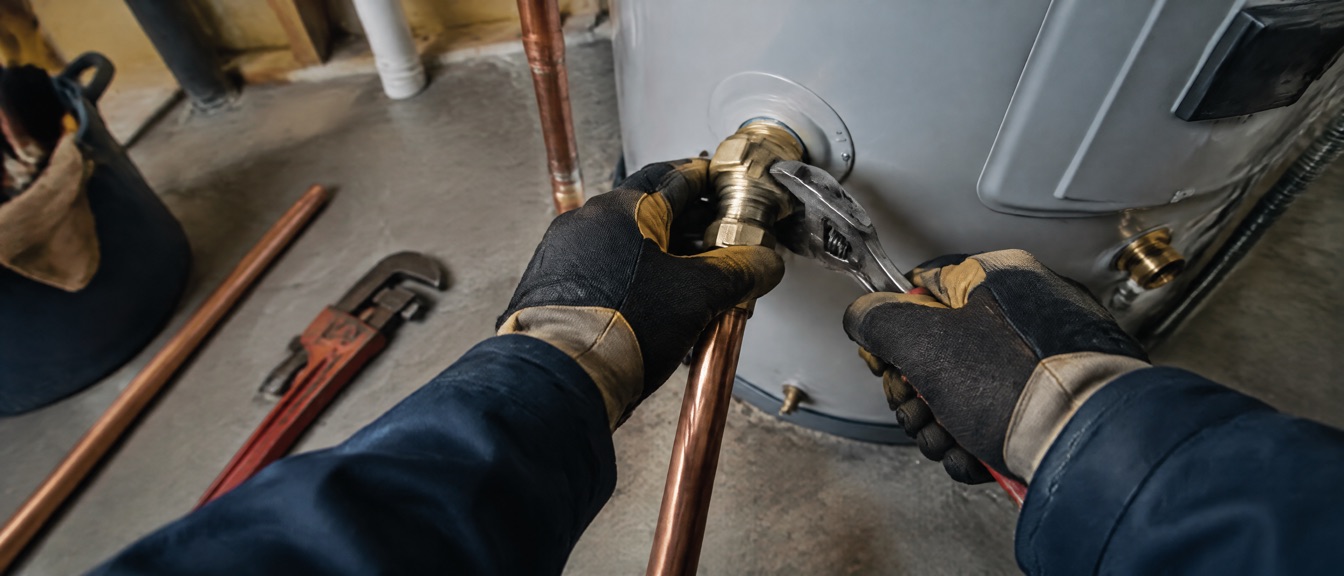
Plumbing, HVAC, electrical
Can an HVAC, plumbing or electrical company get paid to record its techs' work for AI? Which jobs count, illustrative earnings and what to agree with customers.
What counts and what it pays →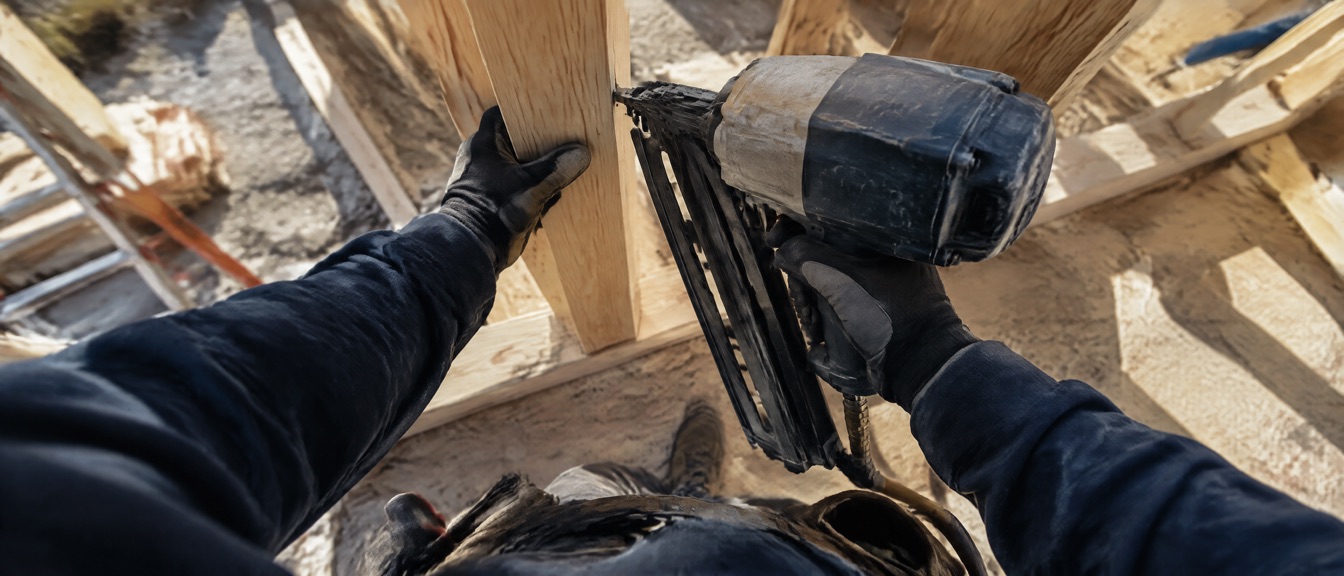
Construction crews
How construction companies get paid to record framing, roofing, drywall and cleanup for robot training: what counts, illustrative pay and jobsite safety.
What counts and what it pays →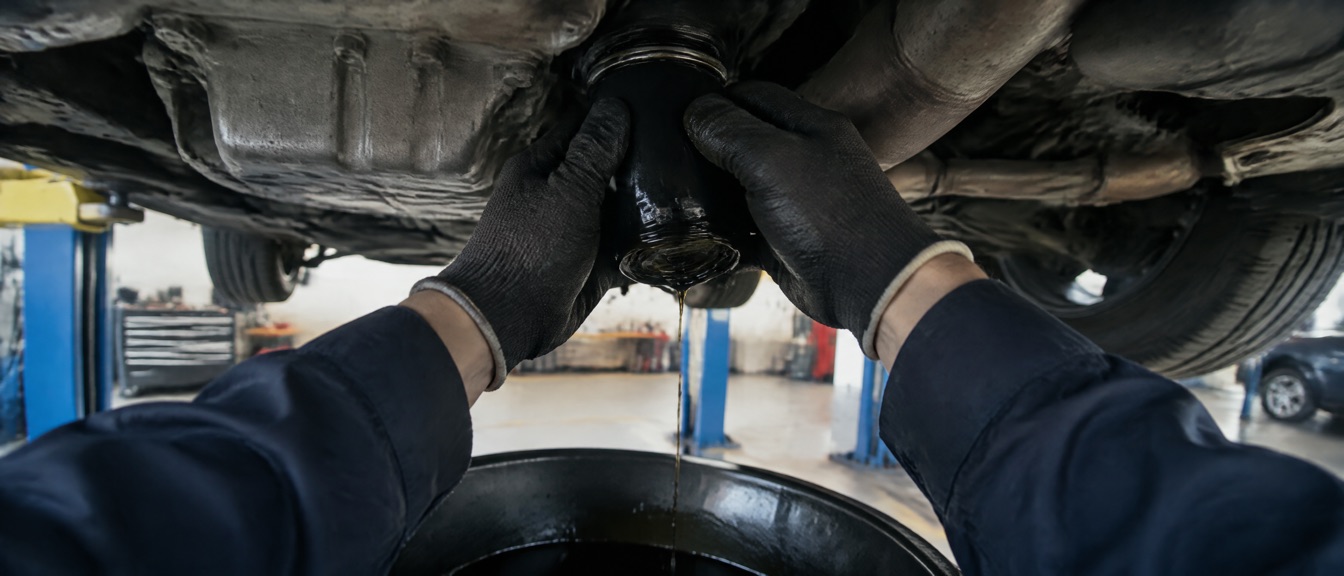
Auto shops and car washes
Can an auto shop or car wash get paid to record oil changes, tire work and detailing for AI training? What counts, illustrative pay and customer privacy.
What counts and what it pays →
Farms and nurseries
How farms, nurseries and grounds crews get paid to record picking, planting, potting and livestock work for robot training, and what to agree first.
What counts and what it pays →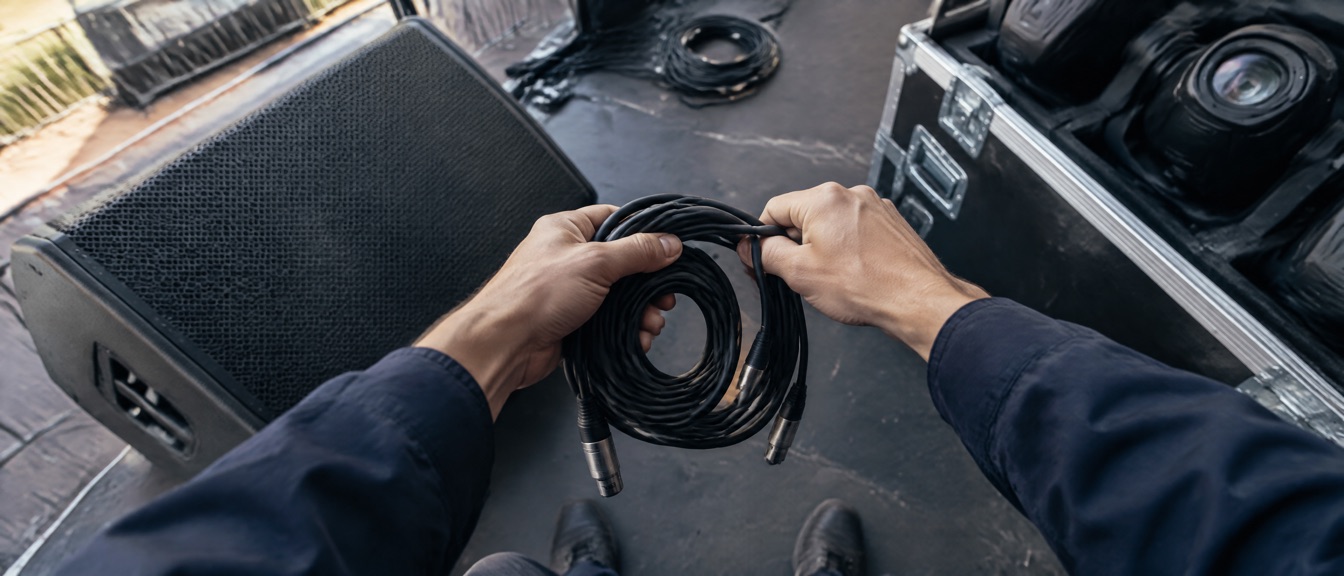
Event venues
Can an event venue get paid to record stage setup, teardown, AV cabling and restroom work for AI training? Illustrative pay and what to agree with clients.
What counts and what it pays →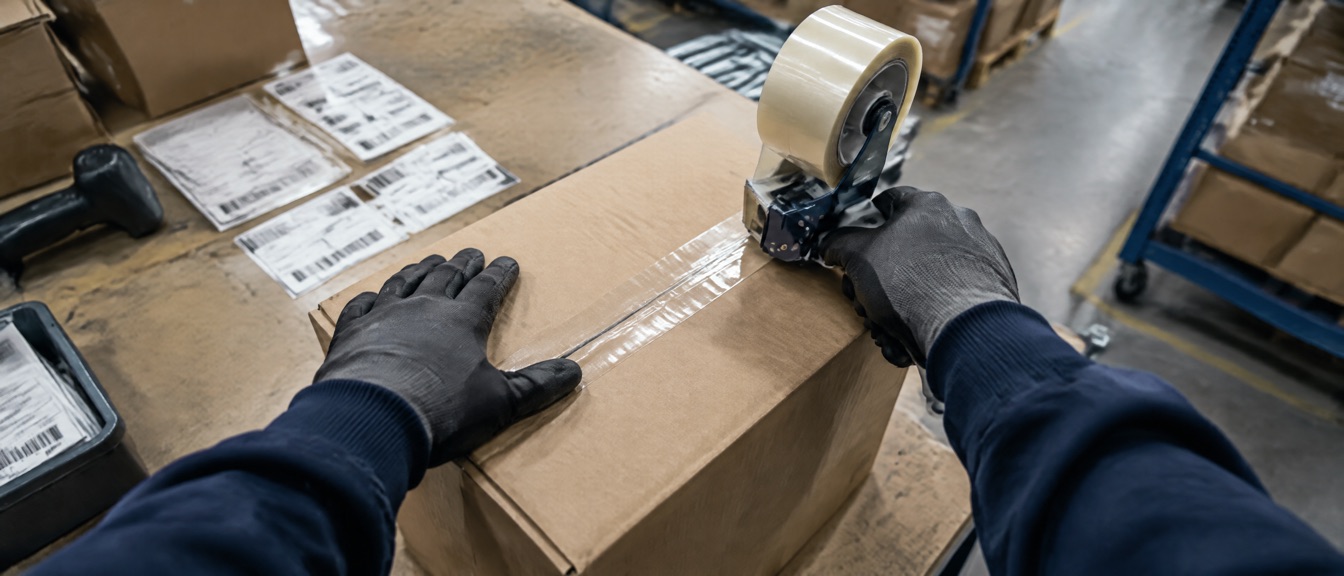
Warehouses
How warehouses get paid to record picking, packing, palletizing and inventory counts for robot training, with illustrative pay and forklift safety rules.
What counts and what it pays →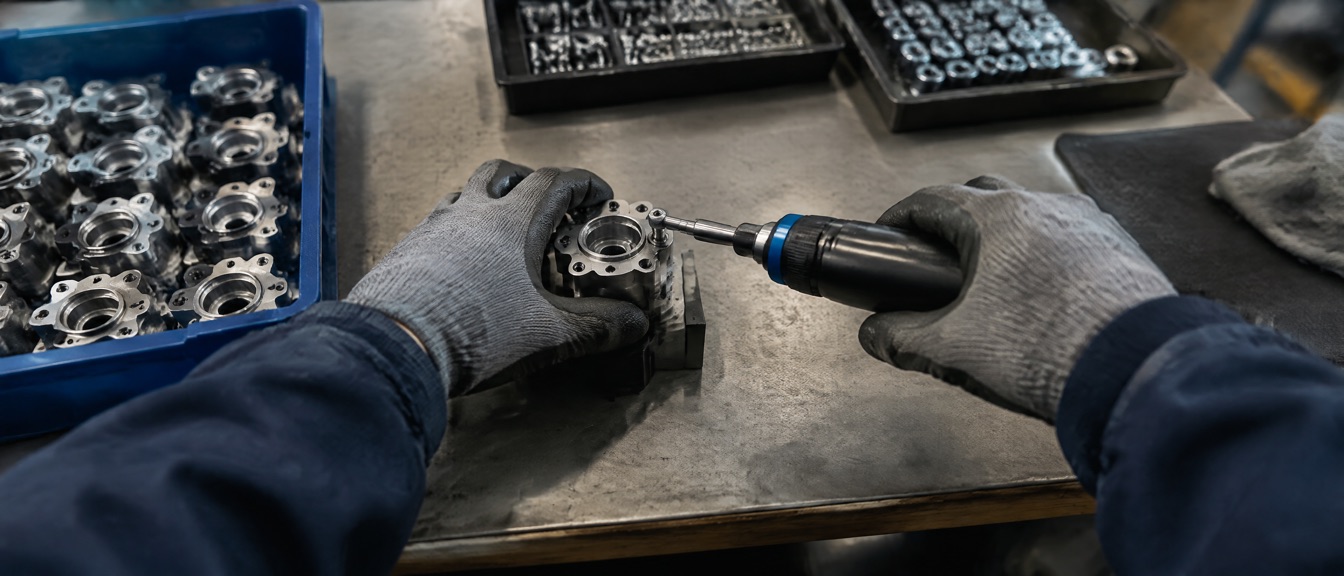
Manufacturing and fabrication
Can a factory or fab shop get paid to record assembly, finishing and welding for robot training? Tasks, illustrative pay, safety and IP to agree first.
What counts and what it pays →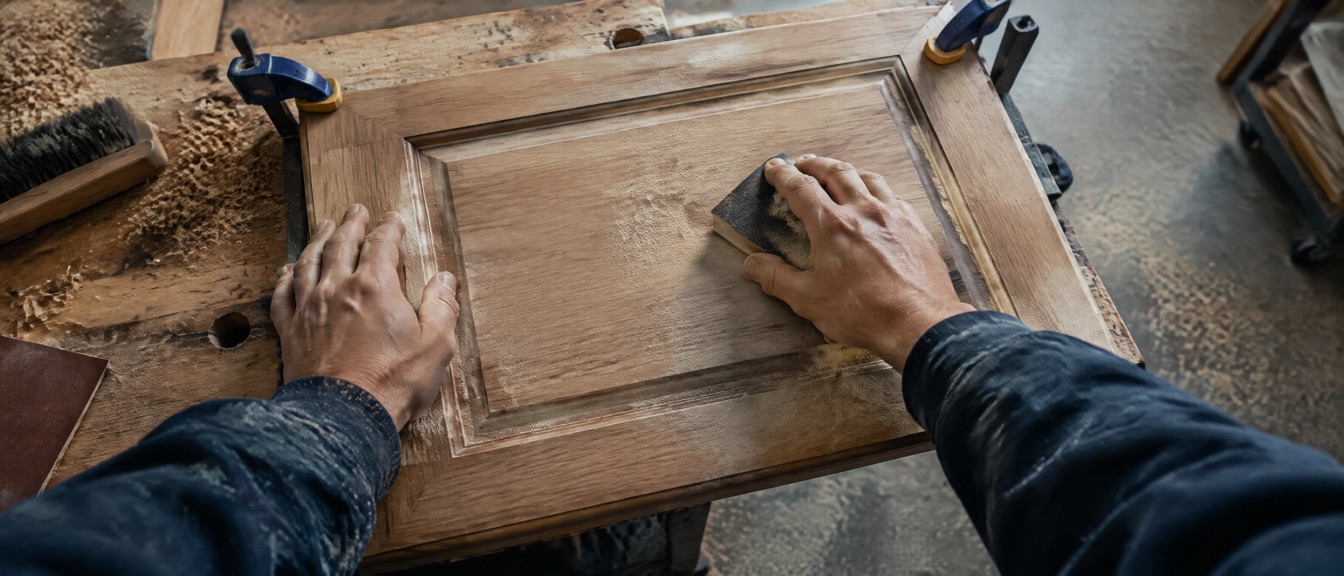
Carpentry workshops
How carpentry and furniture workshops get paid to record woodworking, sanding and finishing for robot training, with illustrative pay and shop safety tips.
What counts and what it pays →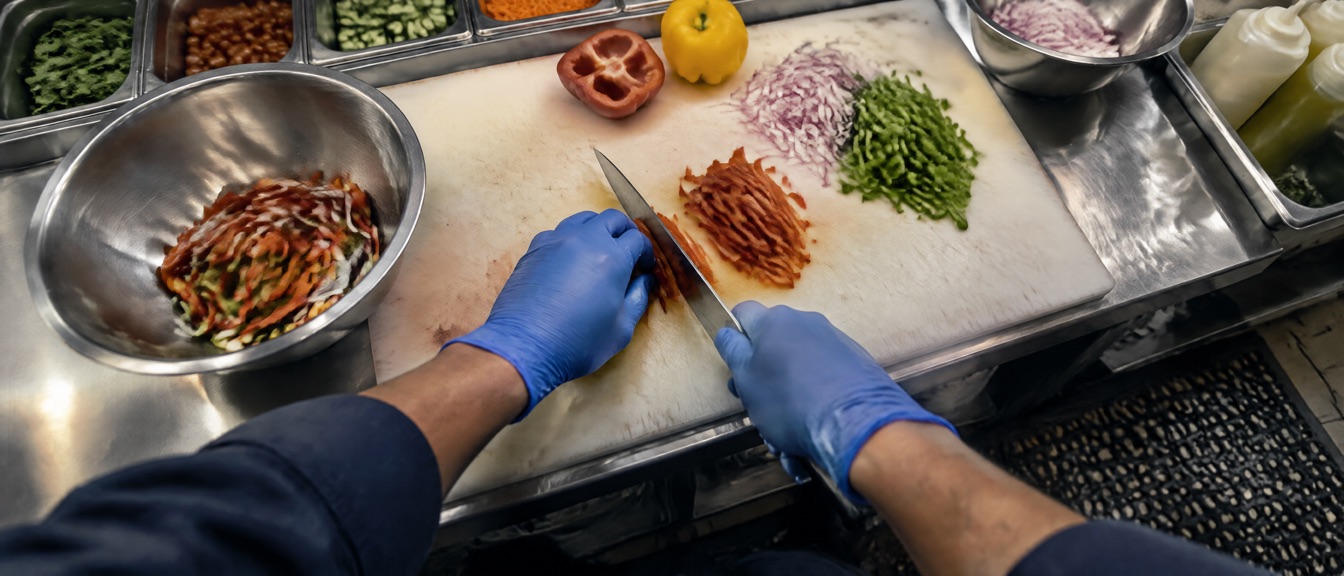
Restaurants and kitchens
How restaurants and commercial kitchens get paid to record prep, line cooking, baking and dishwashing for robot training, with pay examples and health rules.
What counts and what it pays →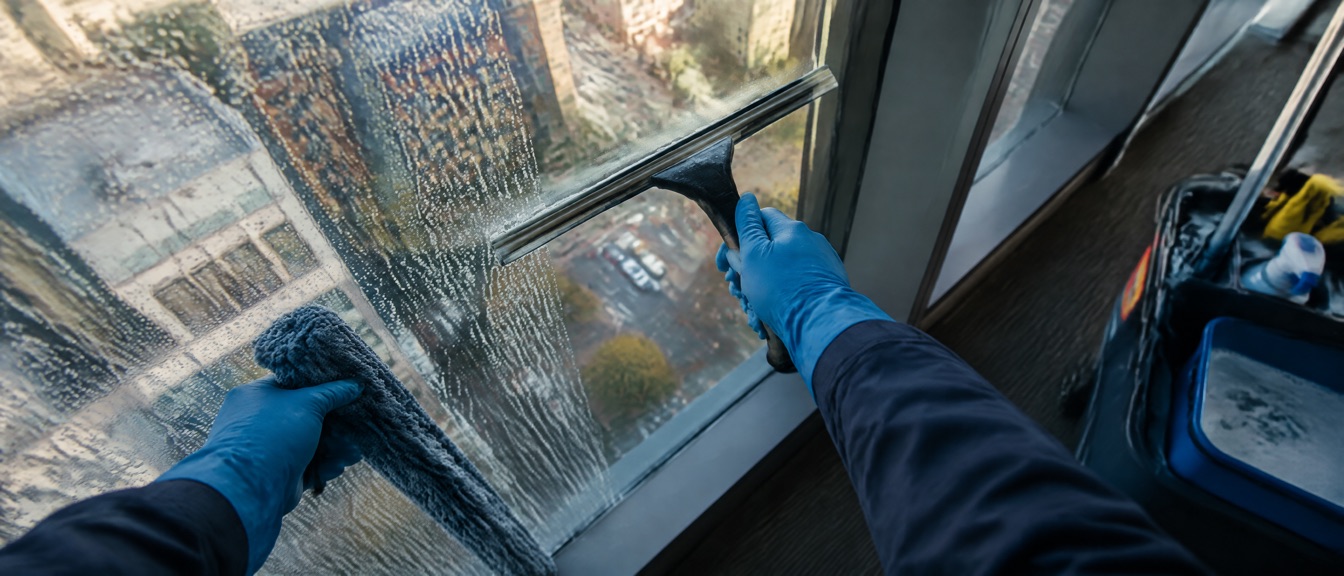
Commercial cleaning
Can a janitorial company get paid to record restroom, floor, window and carpet cleaning for robot training? Illustrative pay and client-site rules.
What counts and what it pays →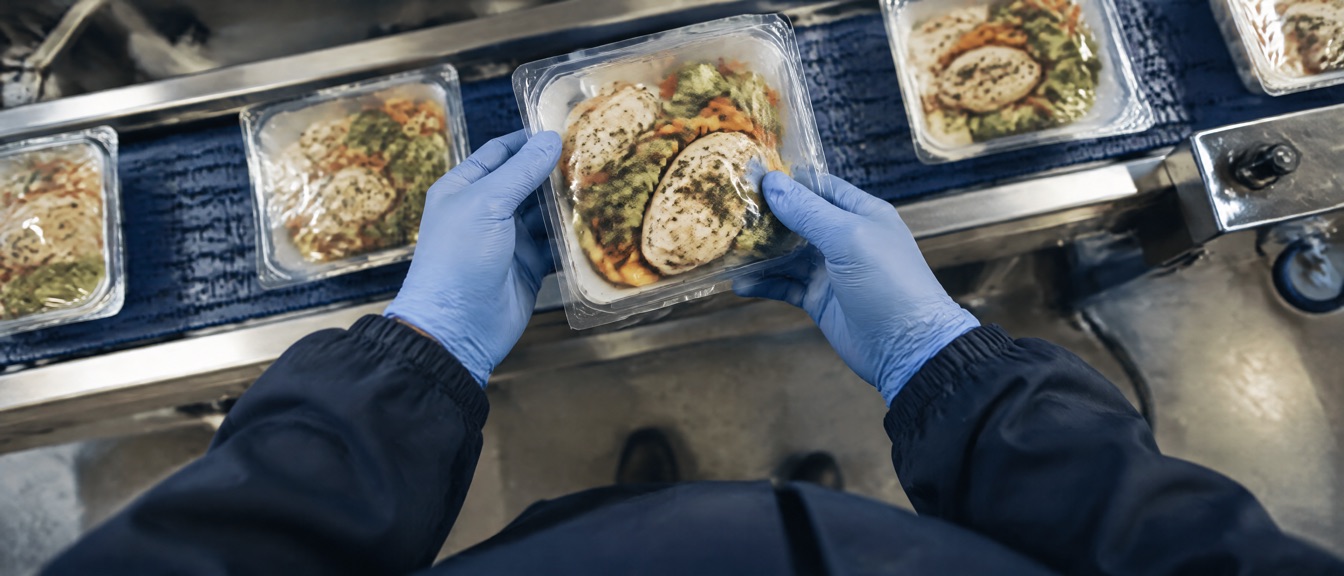
Food manufacturing
How food manufacturers get paid to record inspection, line work, packaging and washdown for robot training, with illustrative pay and FDA hygiene rules.
What counts and what it pays →
Retail and grocery
Can a grocery store get paid to record restocking, cart retrieval and price tagging for robot training? Illustrative pay and keeping shoppers off camera.
What counts and what it pays →
Hotels and lodging
How hotels can get paid to record housekeeping, laundry and maintenance work for robot training, with illustrative pay and the guest privacy rules to follow.
What counts and what it pays →
Salons and barbershops
Can a hair salon or barbershop get paid to record stylists for AI training? What may count, illustrative pay and how to handle client consent and faces.
What counts and what it pays →Why are AI and robotics companies paying for this?
Language models learned from text on the internet. Robots need something the internet has little of: hours of real people doing real physical work, filmed from their own point of view, across thousands of different kitchens, job sites, shops and warehouses. A lab cannot film that in one room. It has to come from working businesses.
Amelia Robotics collects that footage for robotics labs. It tells labs it can supply about 100,000 recording hours a month across thousands of US environments, and it pays the businesses whose crews record. For the research side, read how robots learn from video of people working.
How does the pay work?
Amelia pays for approved recording hours: recording time that has been reviewed and accepted against the requirements agreed on your setup call. Your dashboard shows recorded and approved hours separately.
Typical pay is $500 to $2,000 a month per recording employee, assuming 12.5 to 50 approved hours a week over four weeks. That works out to about $10 per approved hour. Amelia says earnings vary and that your agreement and approved recordings decide what you are actually paid.
One payment goes to the business each month. You decide the shares. Amelia's own example gives 50% to the worker, 10% to the team lead and keeps 40% for the business, and you can set a different split for each team.
| Crew recording | Approved hours a week (each) | Illustrative monthly payment to the business |
|---|---|---|
| 1 person | 20 | $800 |
| 5 people | 20 | $4,000 |
| 10 people | 25 | $10,000 |
| 20 people | 30 | $24,000 |
Source: Amelia Robotics: business program (checked Nov 2026)
What kind of work counts?
Amelia lists its top priorities as trades, construction and auto services. It also takes farms and nurseries, event venues, warehouses, manufacturing and fabrication, carpentry workshops, restaurants and commercial kitchens, commercial cleaning, food manufacturing, retail and grocery, hotels, and hair salons and barbershops. Professional trades and construction can include residential job sites.
Tasks and recording locations are confirmed on your setup call, so you agree exactly which jobs are recorded before anyone starts. Pick your industry below to see the tasks that count and the maths for a typical crew.
What does recording look like?
A phone sits on a head mount, pointed down at the worker's hands. The worker opens the recording app, starts the recording deliberately, does the agreed task as normal and stops it when done. Hands stay free; nobody holds the phone.
You agree tasks, permitted areas and participants before recording starts, and you can keep any job, customer or area out of it. Where a crew works in public, such as a store or venue, put up a sign saying AI training and recording is in progress; Amelia's partner resources include a printable one.
How do I get started?
Apply with four questions: your industry, the tasks, how many people and hours a week. You see an estimate and sign the agreement online. A setup call agrees the tasks and recording requirements, Amelia activates the business, and you invite your crew. Setup instructions and short videos are provided for the crew.
Before you apply, count who would record, roughly how many hours a week they spend on the tools, and whether each has a smartphone. Amelia's setup guidance says the business buys one head mount per recording worker.
Answers before you apply
Who pays for this kind of footage, what they pay and how to check a program.
Owner pay and margins
What owners in these businesses earn, and the margins behind it.
Robots in your industry
What robots actually do in 2026, and why their makers need footage of real work.
Hiring and keeping crews
The trades shortage, and extra pay that keeps good people.
Apps and jobs for individuals
For workers: chore apps, data collection jobs, and how to bring the business program to your boss.
Common questions
Can my business get paid to record employees working for AI training?
Yes. Amelia Robotics pays businesses for approved recordings of agreed tasks filmed from the worker's point of view. Typical pay is $500 to $2,000 a month per recording employee, paid monthly to the business.
Who gets the money, the business or the workers?
Amelia pays the business once a month. The owner decides how much to share with the workers and team leads who record, and can set a different split per team.
Do my workers have to be on camera?
The camera points down at the hands from a head mount, so the worker's face is not filmed. Workers start each recording themselves, and you agree which tasks, areas and people are included before anyone records.
Does it cost anything to join?
Amelia's site lists no application fee. Its setup guidance says the business buys one phone head mount per recording worker; check current equipment terms on your setup call.
What businesses qualify?
US businesses whose teams do hands-on work. Amelia's top priorities are trades, construction and auto services, followed by farms, venues, warehouses, manufacturing, workshops, kitchens, cleaning, food production, retail, hotels and salons.
Will this train robots to replace my crew?
The robots this footage helps train are still years from doing most skilled trade work, and early uses focus on narrow, repetitive tasks. In the meantime the business is paid for footage of work it already does.
Origin Data Partners is independent. We may be paid by our partner when a business we introduce is paid; it never comes out of your earnings. How Origin is paid.
Get paid for work your crew already does.
AI and robotics companies pay for first-person footage of everyday work. One minute to see what your crew could earn.