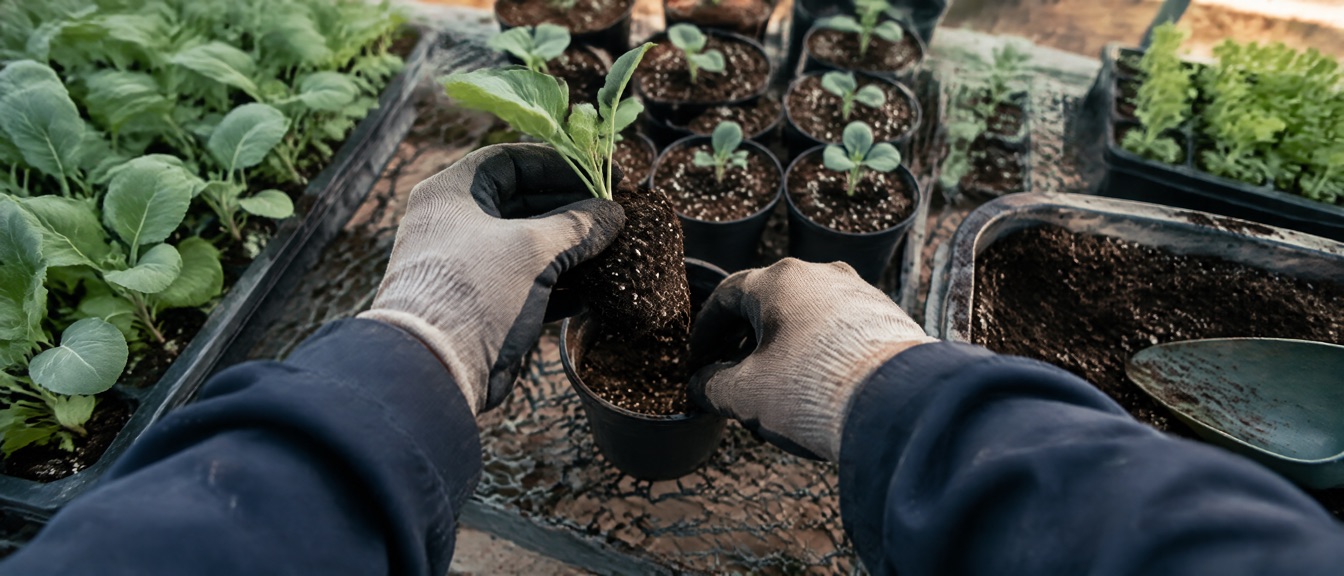
Yes. Amelia Robotics pays farms, nurseries and grounds businesses for approved recordings of work such as crop picking and planting, potting, livestock feeding and pen cleaning. Typical pay is $500 to $2,000 a month per recording employee at 12.5 to 50 approved hours a week, and earnings vary. The business is paid monthly and decides the crew shares.
- Amelia lists four farm, nursery and grounds examples, from crop picking to irrigation.
- Seasonal crews can mean big swings in approved hours. Plan around peak months.
- Agree consent in a language each worker reads, and plan for heat, dust, water and biosecurity.
Do robotics companies pay farms to record their workers?
Amelia Robotics does, through a program for businesses. Workers wear a phone on a head mount and record the tasks they already do. Amelia reviews the footage and pays the farm or nursery once a month for approved hours. Typical pay is $500 to $2,000 a month per recording employee, assuming 12.5 to 50 approved hours a week over four weeks. Earnings vary, and your agreement sets the terms.
For the full program and other industries, see how businesses get paid for recording work.
Source: Amelia Robotics: business program (checked Nov 2026)
Which farm and nursery tasks count?
Amelia publishes four examples for farms, nurseries and grounds:
- Crop picking and planting: hand harvest, transplanting, thinning.
- Potting and nursery tending: potting up, spacing, pruning, staking.
- Livestock feeding and pen cleaning.
- Farm irrigation and maintained grounds: setting lines, fixing emitters, mowing and grounds care.
Source: Amelia Robotics: business program (checked Nov 2026)
What could your crew earn?
Move the sliders to match your crew.
- Per worker
- $400
- You keep
- $4,000
- Per year
- $96,000
Illustrative, at about $10 per approved hour. Typical pay is $500 to $2,000 a month per recording employee; earnings vary and your agreement decides actual pay.
How much could a farm or nursery earn from recordings?
At the typical rate of $10 per approved hour, the illustrative maths is people x approved hours a week x 4. Harvest months can carry far more hours than winter, so treat the table as a range across your year, not a steady income.
Amelia's split example is 50% worker, 10% team lead, 40% business. For seasonal crews, a clear written split matters: workers should know their share before the season starts, and you can set a different split for each team.
| Example crew | People recording | Approved hours a week each | Illustrative monthly payment | Business keeps (40% example) |
|---|---|---|---|---|
| Family nursery | 4 | 15 | $2,400 | $960 |
| Mid-size farm, regular crew | 12 | 25 | $12,000 | $4,800 |
| Peak harvest crew | 30 | 35 | $42,000 | $16,800 |
What should a farm agree before workers record?
Consent first. Explain the program and the share in a language each worker reads, and get written agreement. Nobody should feel recording is a condition of keeping their job. Some states also set rules for watching staff electronically. Connecticut, for example, requires prior written notice to employees and counts cameras as electronic monitoring (Conn. Gen. Stat. sec. 31-48d). If phones capture conversations in the field, about 11 states, including California, Florida, Illinois, Pennsylvania and Washington, require everyone in a conversation to agree before it is recorded (Reporters Committee for Freedom of the Press).
Then the practical side. Phones need protection from dust, water and heat, and a mount must not interfere with sun hats, hearing protection or respirators used for spraying.
- Leave pesticide mixing and application out unless Amelia asks for it and PPE still fits properly.
- Do not record while driving tractors, ATVs or other machinery.
- Clean phones and mounts between barns or houses if you run biosecurity rules for livestock.
- Keep neighbours, visitors and family members out of frame.
Source: Connecticut General Statutes, chapter 557 (sec. 31-48d, electronic monitoring of employees)
Why do AI companies want footage of farm work?
Picking, potting and handling animals are delicate, variable tasks: every plant and every animal is different. Data companies already hand contributors head cameras and task lists that include gardening, according to CNN (CNN). The same outlet quotes Micro1's head of robotics data saying this kind of data is needed in basically every environment because the movements differ.
Real commercial footage is the point. Robot developers want data from the places their machines will work, not a backyard. For the machines already in fields and greenhouses, see robots in agriculture.
Source: CNN via Scripps News: How filming your chores could train the android butlers of the future
How does a farm or nursery get started?
Apply in four questions, then a setup call agrees tasks and recording requirements. After activation you invite your crew. Prepare:
- Headcount by season and typical hands-on hours per week.
- Which tasks and fields, houses or barns are in scope, and which are excluded.
- Phones and head mounts. Amelia's setup guidance says the business buys one mount per person.
- Consent forms in your crew's languages and a written split plan.
Next step
Read how robots are used in agriculture or estimate a season's earnings on the physical AI hub.
Common questions
Can my farm get paid to record workers picking crops?
Yes. Amelia lists crop picking and planting as an example. Typical pay is $500 to $2,000 a month per recording employee at 12.5 to 50 approved hours a week; earnings vary.
Is it legal to record farm workers?
Get each worker's written agreement in a language they read, and follow your state's notice and recording-consent rules. Some states require prior written notice of electronic monitoring. Check with a lawyer.
Do seasonal workers have to agree?
Yes. Every person who records should agree in writing, start recordings themselves and be free to say no.
How much can a 10-person nursery crew earn?
At the typical rate of $10 per approved hour, 10 people at 20 approved hours a week is about $8,000 a month. This is illustrative.
Can we record livestock work?
Amelia lists livestock feeding and pen cleaning. Clean phones and mounts between sites if you follow biosecurity rules.
Will robots trained on farm footage replace farm workers?
The footage helps robots learn tasks like picking, so be honest with your crew. Robots still find variable, delicate tasks hard, which is why this data is wanted.
Sources and further reading
- Amelia Robotics: business program (checked Nov 2026)
- Amelia Robotics: for robotics labs
- Connecticut General Statutes, chapter 557 (sec. 31-48d, electronic monitoring of employees)
- Reporters Committee for Freedom of the Press: Reporter's Recording Guide
- CNN via Scripps News: How filming your chores could train the android butlers of the future
Origin Data Partners is independent. We may be paid by our partner when a business we introduce is paid; it never comes out of your earnings. How Origin is paid.