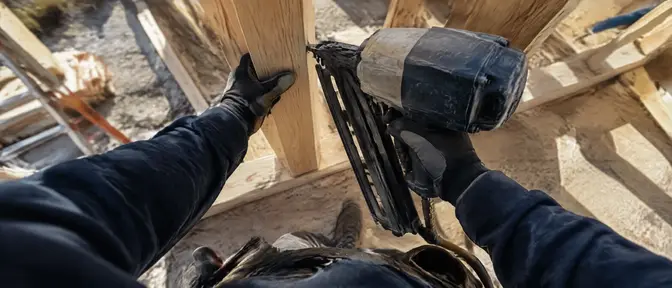
Contractors get through the slow season with a short list: maintenance contracts sold in advance, snow and ice work, indoor jobs, equipment rebuilds and deposits on spring work. A newer option is paid recording. A few programs pay a business for first-person video of real tasks, and shop and yard work can count if a program accepts it. Public pages read on 15 November 2026 state $12 to $18 per approved hour at one program and a flat $35 per recorded hour at another. It pays only for hours someone is working, so it helps a thin week. It does not replace a season.
- Recording pays for work that is happening. If nobody is working, there is nothing to record, so plan the winter work first and the recording second.
- Shop tasks suit recording: steady light, no customers and no weather. Ask a program which tasks it accepts before you plan around it.
- Per-hour figures are for approved or booked hours, not hours on the clock. Expect fewer than you record.
Which trades have a slow season, and when?
Outdoor and weather-driven trades slow in winter. HVAC slows twice, in spring and fall, between the heating and cooling peaks. Plumbing and electrical service is steadier, though new construction follows the building season.
The table is a rough guide for most of the United States, and your region may differ. For HVAC the pattern is well known to customers too: ENERGY STAR advises that "Contractors get busy once summer and winter come, so it's best to check the cooling system in the spring and the heating system in the fall." Federal immigration rules even define seasonal work, as labour "traditionally tied to a season of the year by an event or pattern" and "of a recurring nature" (8 CFR 214.2).
| Trade | Slow months in most regions | Why |
|---|---|---|
| Landscaping and lawn care | Winter | Nothing grows and the ground freezes |
| Roofing, exterior painting, paving and concrete | Winter | Cold and wet stop the work or the materials |
| HVAC | Spring and fall | Between the cooling and heating peaks |
| Pool building and service | Winter outside the warmest states | Pools are closed |
| Remodelling and interior trades | Milder dips | Indoor work carries on; exterior phases wait |
How do contractors usually earn in the off season?
By selling work in advance and by doing the jobs the busy season leaves no time for. Maintenance contracts, snow and ice work, indoor jobs and deposits on spring work carry most contractors through.
- Maintenance contracts sold in the busy season and delivered in the slow one: tune-ups, winterising, gutter and roof checks, irrigation blow-outs.
- Snow and ice management for commercial sites. It needs equipment, insurance and people on call, and a mild winter pays little unless the contract is seasonal.
- Indoor work: interior remodels, basement and attic jobs, commercial fit-outs, holiday lighting.
- Deposits on spring work, with a discount for booking early.
- Shop time: equipment rebuilds, blade and tool maintenance, prefabrication, training and licences.
- Paid recording of that shop time and of whatever field work continues. It is the smallest item on this list.
Can shop and yard work be recorded for pay?
It can, if a program accepts the task. Programs pay for real work, not for demonstrations put on for the camera, so winter maintenance and fabrication you would do anyway are the candidates.
One program's public list of eligible work, read on 15 November 2026, includes "Shop-based vehicle maintenance & repair", "Metal fabrication & welding" and "Inventory counts", and says "Tasks and recording locations are confirmed on your setup call." So ask before you plan a month around it. Good candidates in a contractor's shop or yard:
A shop has advantages the field does not: steady light, no customers to ask and no weather. That matters because only clear footage counts. One program's public page, read on 15 November 2026, describes an approved hour as "Footage that's clearly usable: well lit, with hands visible in frame, showing the task being performed."
- Servicing mowers, trimmers, compressors, pumps and small engines.
- Sharpening, rebuilding and repairing tools and attachments.
- Fabricating duct, brackets, railings or formwork, and prefabricating assemblies for spring jobs.
- Fleet maintenance: tyres, oil, brakes, trailer wiring.
- Receiving, counting and organising stock and materials.
Is recording paid per hour?
Mostly, but the hour is defined differently by each program. Some pay per approved hour of footage, one pays per hour of a booked session, and one states a monthly estimate per recording employee.
Three business recording programs state figures on their own public pages, read on 15 November 2026. One pays $12 to $18 per approved hour, depending on the kind of work. One pays a flat $35 for every recorded hour in a booked session. One gives its own estimate of $500 to $2,000 a month per recording employee, assuming 12.5 to 50 approved hours a week. These are the programs' statements, not a promise of pay: the agreement you sign and the hours a program accepts decide what arrives.
A worked example, not a forecast. Four people record 10 approved hours a week each in the shop. At $12 to $18 per approved hour, that is $480 to $720 a week to the business, before whatever share the owner passes on. It covers some of a winter payroll week. It does not cover the week. The business programs compared and the pay rates tracker set the figures side by side.
What could your crew earn?
Move the sliders to match your crew.
- Per worker
- $200
- You keep
- $800
- Per year
- $19,200
Illustrative, at about $10 per approved hour, the rate implied by one program’s example. Per worker and per year are estimates on the same basis. One program’s published estimate is $500 to $2,000 a month per recording employee; earnings vary and your agreement decides actual pay.
What equipment is needed?
Usually a phone on a head mount, or a camera kit the program supplies. Do not buy anything until a program tells you what it uses.
One program's public page, read on 15 November 2026, says "There's no fee and no equipment cost to you. We supply, maintain, and replace the capture kits". Another has workers mount a phone and use its recording app. Either way the set-up is the same few things:
- Light. Winter shops are dim. Add task lighting where the hands are.
- Power. Recording drains a phone in a couple of hours, so keep a charger at the bench.
- A clean lens and a stable mount. Dust and a slipping strap cost approved hours.
- Sound off unless the program and your state allow it.
- Written, opt-in consent from each person who records.
Is paid recording available near me?
It depends on the program, your trade and where you work, and it changes from month to month. Some programs bring their own camera rigs and run booked sessions. Others work through a phone app.
We cannot tell you from a web page, and neither can anyone else. Tell us your trade, crew size and location, and we'll email you within one business day about recording work that fits your crew. It costs your business nothing.
What recording will not do
It will not pay a laid-off crew. Recording is paid on hours of real work, so if nobody is working there is nothing to record. It will not turn a slow month into a normal one: the sums are a top-up on payroll you are already carrying.
And it is not certain. Programs decide which businesses and tasks they accept, review every clip and count only what passes. Treat it the way you would a small maintenance contract: worth having, not worth building the winter around. If your crew works in customers' homes when the season returns, read recording employees at work first. This is a summary of what the rules say, not legal advice. Check your own state and contracts, and ask a lawyer where the stakes are high.
Related pages: side income for tradespeople, landscaping and lawn care and construction profit margins.
The slow season is also when to look at your records
The office is quiet too, which makes winter the time to see what your job files are worth. AI companies license the written record of how work was done: estimates set against actual costs, change orders, inspection reports, service histories and maintenance logs. The company keeps the originals. If you have several years of them in a system, see what your company records are worth.
Next step
If your crew does hands-on work, in the shop or in the field, check whether your business qualifies. It takes about a minute and shows an estimate for your crew.
Common questions
How do contractors make money in the off season?
Mostly with maintenance contracts sold in advance, snow and ice work, indoor jobs and deposits on spring work. Paid recording of shop and field tasks is a newer, smaller option that pays the business for hours a program accepts.
What is a good source of slow-season income for contractors?
The dependable ones are recurring maintenance contracts and commercial snow work. Recording adds a little on top of work that is already happening: public pages state $12 to $18 per approved hour at one program and a flat $35 per recorded hour at another. None is a promise of pay.
How can a landscaping company earn income in winter?
Snow and ice management, holiday lighting, winter pruning, hardscape where the ground allows, and equipment rebuilds. Shop work such as servicing mowers can also be recorded for pay if a program accepts it. See landscaping and lawn care.
How do HVAC companies handle slow-season revenue in spring and fall?
With maintenance agreements: tune-ups booked for the shoulder months, when techs have time. ENERGY STAR tells homeowners to have cooling checked in spring and heating in fall for exactly that reason. See new revenue streams for HVAC companies.
Can contractors get paid to record work in their own shop?
Yes, if a program accepts the task. Real maintenance, repair and fabrication are the candidates, and tasks are confirmed with the program first. Staged demonstrations are not what programs ask for.
Is there extra income for contractors that needs no new customers?
Recording is one: the crew films work it already does and the business is paid for accepted hours. Licensing old job records is another. Both depend on a buyer or program accepting what you have, and neither is large.
Sources and further reading
Origin Data Partners is independent and does not represent Amelia Robotics. Origin may earn a reward from Amelia Robotics if a business it introduced joins and gets paid; Amelia pays that reward itself. Origin charges your business nothing. How Origin is paid.