Footage of skilled work may support physical AI when it shows actions, context, corrections and results in a form a buyer can use. Existing training videos do not automatically meet robotics requirements. Some projects need synchronized views, action labels or sensor measurements that older recordings never captured. Confirm a specific requirement before producing more footage.
- A demonstration shows how a person performs a task, including what they observe, which action they choose and whether it works. A finished tutorial may omit hesitation, failed attempts and instructor corrections. Those omissions can matter to a model learning how to recover from errors.
- A first brief can state the type of work, approximate hours, camera views, whether outcomes and corrections are visible, and known permissions. Keep raw footage, identifiable worker details and client-site information in your own systems.
What makes a useful demonstration?
A demonstration shows how a person performs a task, including what they observe, which action they choose and whether it works. A finished tutorial may omit hesitation, failed attempts and instructor corrections. Those omissions can matter to a model learning how to recover from errors.
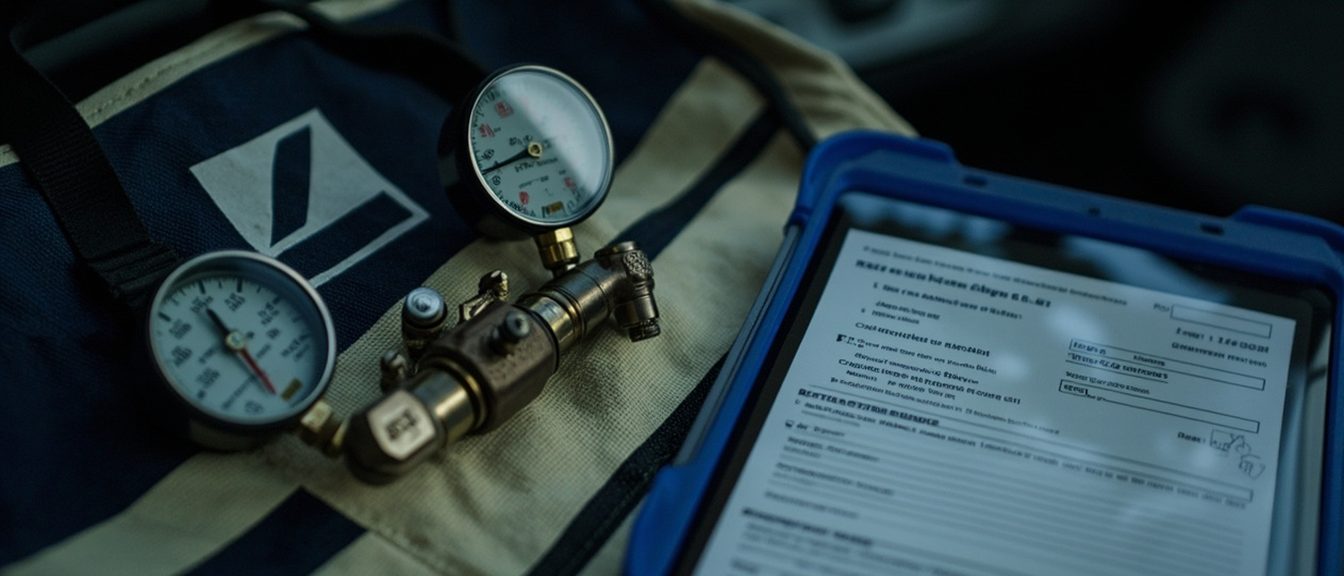
For a repair business, an illustrative case might connect the initial symptom, a view of the component, the technician’s action, a measurement and the retest. Do not infer force, depth or hidden actions from video when they were not measured.
What signals are visible today?
micro1 describes robotics collection using first-person and third-person footage and annotated tasks. Protege and ToughData have announced a partnership focused on human skill data for physical AI. These are evidence of collection and commercialization activity. They do not establish acceptance criteria or prices for your existing video archive.
The implication for an owner is to inventory what already exists and ask a buyer about the capture specification. Fresh commissioned demonstrations can be a different business from licensing old footage, with different costs and consent requirements.
Source: Protege and ToughData: human skill data for physical AI
What should an owner check?
| Question | Why the answer matters |
|---|---|
| Is the task visible from start to finish? | Cuts and occlusion can remove the key action or outcome. |
| Which viewpoints and sensors exist? | A buyer may need aligned views or measurements beyond ordinary video. |
| Are timing and actions labeled? | Labels must describe what was actually observed and how they were reviewed. |
| Are failures and corrections retained? | Recovery behavior can be lost when only successful demonstrations survive. |
| Who controls footage and participation permissions? | The company may not control all worker, client, site or third-party rights. |
Keep the scope tied to a real task
Examples include equipment repair, inspection, assembly or tool use. A generic training-video library may have little relevance to a robot’s available actions or camera position. Ask the buyer to define the target task, acceptance checks, capture setup and required labels.
If new recording is requested, agree on delivery and payment milestones before committing people and equipment. Factor in preparation, supervision, retakes, annotation, quality review and rejected captures. More hours do not necessarily mean a more valuable collection.
Describe your existing footage first
A first brief can state the type of work, approximate hours, camera views, whether outcomes and corrections are visible, and known permissions. Keep raw footage, identifiable worker details and client-site information in your own systems.
Origin helps owners explore potential licensing fit and introductions. It does not certify footage as robotics-ready or promise that a collection program will buy it. Request an initial review, and read the field-service record guide if your strongest history is written job records.
Common questions
Should we record new technician videos before speaking to a buyer?
First confirm the task, capture specification, permissions, acceptance checks and commercial terms. New capture can be costly, and an interested market does not guarantee a buyer for footage recorded without a specification.
Sources and further reading
Origin Data Partners is independent and not affiliated with any buyer named on this page.