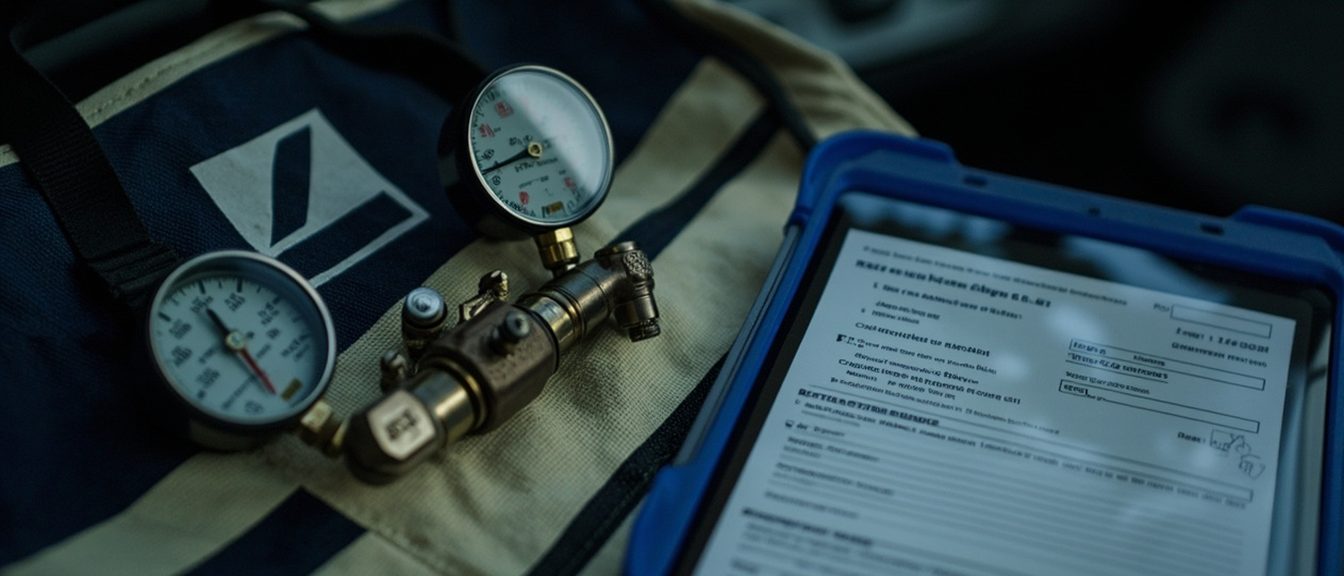
Potentially. Work orders, technician notes, maintenance logs and dispatch records capture how skilled people diagnose and fix physical equipment, which is scarce on the open web and useful for AI agents that triage, schedule and troubleshoot. There is no reliable public price for this category yet, so honesty matters: value depends on years of history, whether each job links symptom, diagnosis, parts and outcome, and how cleanly customer details can be removed. Manufacturer manuals and customer contracts are the main rights issues.
- The valuable unit is the complete job: complaint, diagnosis, parts, fix and whether the customer called back.
- Technician free-text notes are often worth more than structured fields, and need the most cleanup.
- No public price exists for this category yet. Be skeptical of anyone quoting one before seeing a description.
Why service records interest AI developers
Agents are moving from software into operations: answering service calls, suggesting a likely fault, ordering parts and scheduling a technician. Training them needs examples of real judgment, and buyers building agent training environments are looking for exactly that kind of depth, MIT Technology Review reported. A service company with ten years of closed work orders holds thousands of worked examples of diagnosis under real conditions.
Public deals so far have been publishers, platforms and software companies. We have not found a reported price for a field service archive. Anyone who quotes a number before understanding your records is guessing.
What makes a service history valuable
| Raises value | Lowers value |
|---|---|
| Each job links complaint, diagnosis, parts used and resolution | Invoices only, with no description of the work |
| Technician notes in their own words | Codes with no free text |
| Callbacks and repeat visits tied to the original job | No way to tell whether the fix worked |
| Equipment make, model and age recorded | Generic descriptions such as "repaired unit" |
| Five or more years in one system, or cleanly migrated | History split across systems with no shared IDs |
| Photos, readings or inspection checklists attached | Attachments lost in migration |
Rights and privacy checks for service records
- Customer details. Names, addresses, phone numbers, gate codes and access notes are personal or security-sensitive. Remove them; the job itself rarely needs them.
- Customer contracts. Commercial service agreements may treat site and equipment information as confidential.
- Manufacturer material. Service manuals, wiring diagrams and bulletins belong to the manufacturer. Exclude copies stored in your system.
- Warranty and dealer agreements. Data shared with or received from manufacturers may carry its own restrictions.
- Technician data. Notes are written by employees; performance ratings and personal details should be removed.
- Your field service software. Check that your contract lets you export and use your own data this way.
How to describe your service history
Start with a description, not an export. The field service page shows the record categories that matter most.
- The system or systems, years covered and approximate number of closed jobs.
- Share of jobs with technician notes, parts and an outcome recorded.
- Equipment categories you service most.
- What must be excluded: customer identities, access details, commercial contract terms and manufacturer documents.
When it is not worth it
If most jobs are invoices with one-line descriptions, if history is scattered across systems with no common ID, or if your largest customers prohibit disclosure, preparation will likely cost more than a buyer pays. Fixing record keeping going forward may be the better first step.
Origin Data Partners is not a law firm. This guide summarizes public sources so you can frame questions for your own counsel. It is not legal advice.
Common questions
Do AI companies buy maintenance and work order data?
There is growing demand for operational records that show real judgment, including service and maintenance work. We have not found a public price for this category yet, so each case depends on the records.
What service records are most useful for AI training?
Complete jobs: the complaint, the technician's diagnosis and notes, parts used, the resolution and whether the customer called back.
Can we include equipment manuals in the data?
Usually not. Manuals and service bulletins belong to the manufacturer. License only material your company created.
Sources and further reading
Origin Data Partners is independent and not affiliated with any buyer named on this page.